How agile coaches can easily bring meaning and fulfillment to their teams

You want to create an inspiring atmosphere in your team based on a sense of purpose? Here is a quick how-to guide to find it.

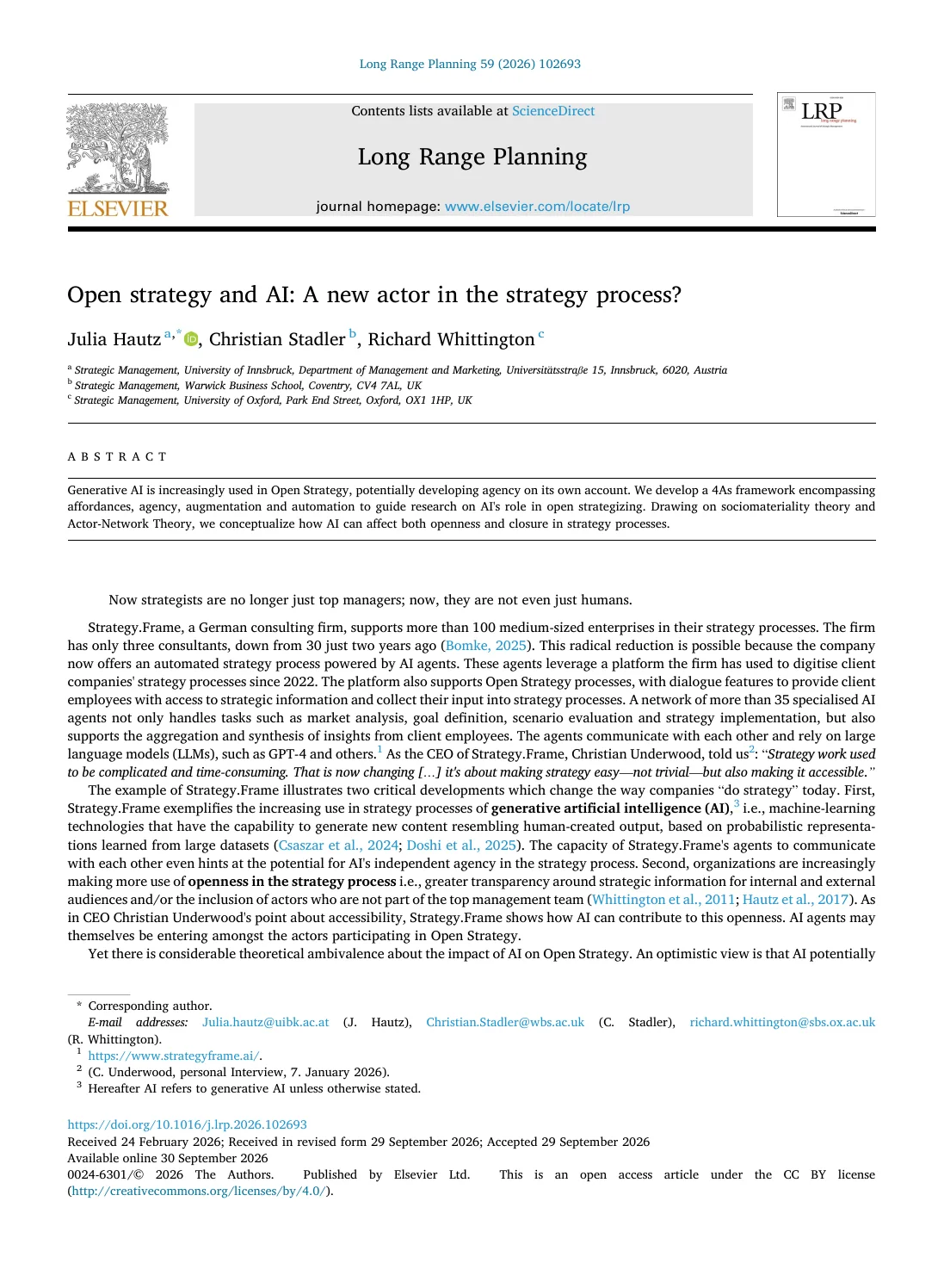
In many team settings we recently experienced that the energy went up when touching on individual purpose — i.e. the reason for being that we now seek more than ever before, just for ourselves or in dialog with colleagues. It’s the key to unlock emotions and deepen relations even in virtual teams.

Unfortunately, many agile coaches do not yet engage in this process of sense-making.

Most agile coaches are simply too busy, resulting in a lack of priorities.

Even those who have a well-organized calendar still struggle with many issues:

  • Pressure from stakeholders to deliver fast
  • Managing agile work within hierarchical organizations
  • Satisfying a micromanaging boss who wants time to be used efficiently
  • Even, lack of confidence in their own feelings.

Yet, you have it in your own power to make a switch by simply implementing purposeful interventions in the agile routines that you do anyway!

Here’s how to include purpose-finding in a reflective session, for example:

Step 1: Get prepared with an advance self-reflection.

It will speed up the process of getting focused on the topic.

Following the Japanese Ikigai framework (“Iki” = life; “gai” = valuable), we ask all team members to come with individual notes on the following questions: (1) what you love; (2) what you are good at; (3) what the world needs; (4) what you can get paid for. You will get the reward of participants

Step 2: Interview each other in pairs.

Many go wrong in seeing this as a game rather than a more serious peer coaching.

The interviewer needs to really challenge the interviewee on these two aspects: (1) Passion: What activities are you good at and at the same time enjoy and are enthusiastic about? (2) Vocation: What does the world want from me, for which I get recognition and money? Based on deep listening, the Ikigai form of individual purpose will appear at the intersection of passion and vocation!

Step 3: Develop an art of collective listening.

Back in the team, introduce your partner with the sentences you have worked out and share what is remarkable to you after what you have heard.

Overall, this session becomes lively from all the personal stories that you will create and hear. This on its own creates a sense of meaning and fulfillment — both individually and for the whole team. That’s the magic of this type of inspiration!

Sind Sie bereit?

Wir sind froh, dass Sie gefragt haben! Vereinbaren Sie direkt einen Termin mit uns, um diesen wichtigen ersten Schritt des Innovationsprozesses zu beginnen – die Bedarfsanalyse. Wir freuen uns darauf, mit Ihnen zusammenzuarbeiten, um die Herausforderungen zu meistern und die digitale Innovation in Ihrem Unternehmen voranzutreiben.

Unser Blog

Neuester Beitrag

TFF #40: KI-Strategie: So überwindest du die Trägheit im KMU

In vielen KMU beobachten wir momentan ein Phänomen, das ich das “KI-Paradox” nenne. Unsere aktuelle Studie des “Culture Compass” bringt es auf den Punkt: 78 % der Unternehmen stufen KI-Kompetenz als entscheidend für ihre Zukunft ein, doch nur 23 % fühlen sich darauf vorbereitet.  Diese Lücke ist gewaltig. Und sie wird nicht durch fehlende Technologie […]

TFF #39: Warum KI ohne Cloud scheitert (und was die meisten übersehen)

Diese Woche beim KI Café kam eine Aussage, die viele nicht mehr losgelassen hat. Manuel Pfiffner von sl.one zeigte eine Statistik: 70% der Mitarbeiter nutzen heute KI. “Mir hat ein Kunde gesagt: Bei mir nutzt das keiner”, erzählte Manuel. Seine Antwort an den Kunden war direkt: “Glaub das nicht. Glaub das bitte nicht.” Und dann […]

TFF #38: Die Vier-Lücken-Falle: Warum 62% der KI-Projekte Stückwerk bleiben

Einige typische Szenen aus dem KI-Alltag: Szene 1: Der hoffnungsvolle Start Ein Finanzdienstleister testet einen Custom GPT für Kundenkommunikation. Funktioniert super. Das Team ist begeistert. 3 Monate später: Nur 2 Leute nutzen ihn. Szene 2: Der Widerstand Ein Produktionsunternehmen will KI für Prozessoptimierung einführen. Die Führung drängt. Das Team bremst. Nicht aus Unwillen. Aus Angst […]