Leadership & AI
Open Swiss AI is ready, and small firms start with conversation
A week in Bolzano and Lugano, and 12,826 answers from the EU, point the same way: SMEs rarely fail at AI because of the technology.
29 November 2026
1 / 6
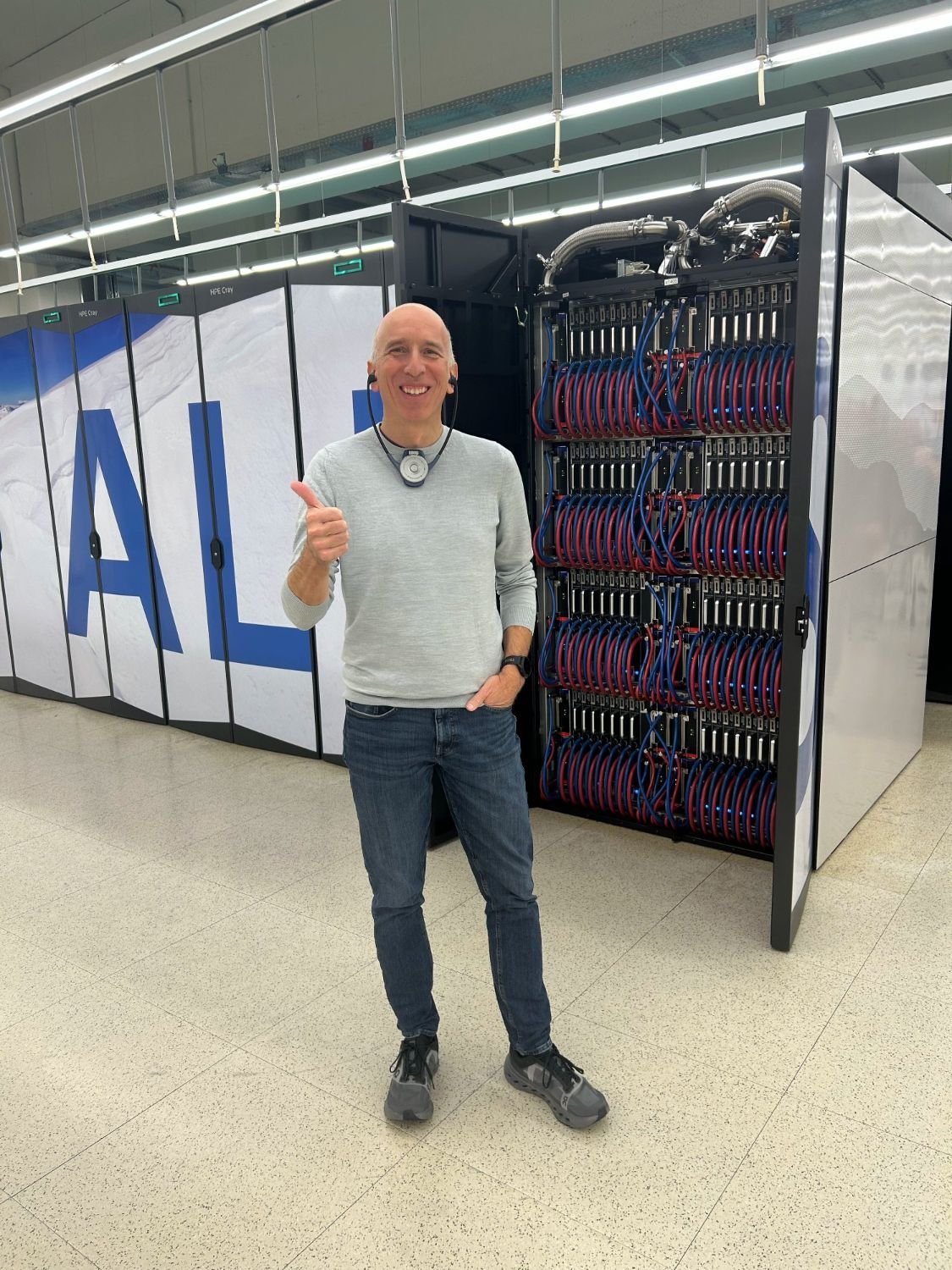
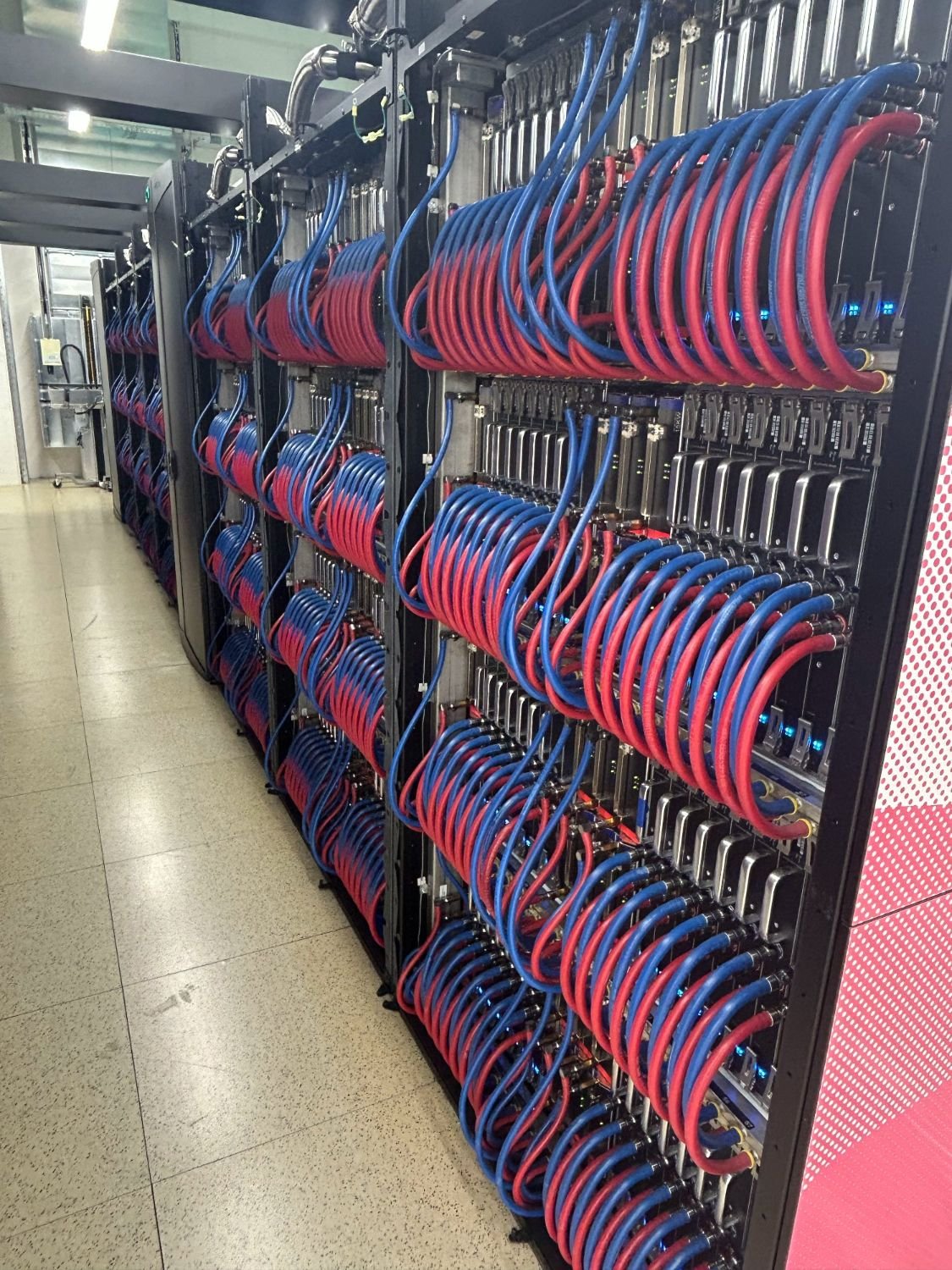
On Thursday I stood in front of Alps, the supercomputer at CSCS in Lugano. Water from Lake Lugano, pumped up from 45 metres deep, cools it. The waste heat helps to heat buildings nearby.
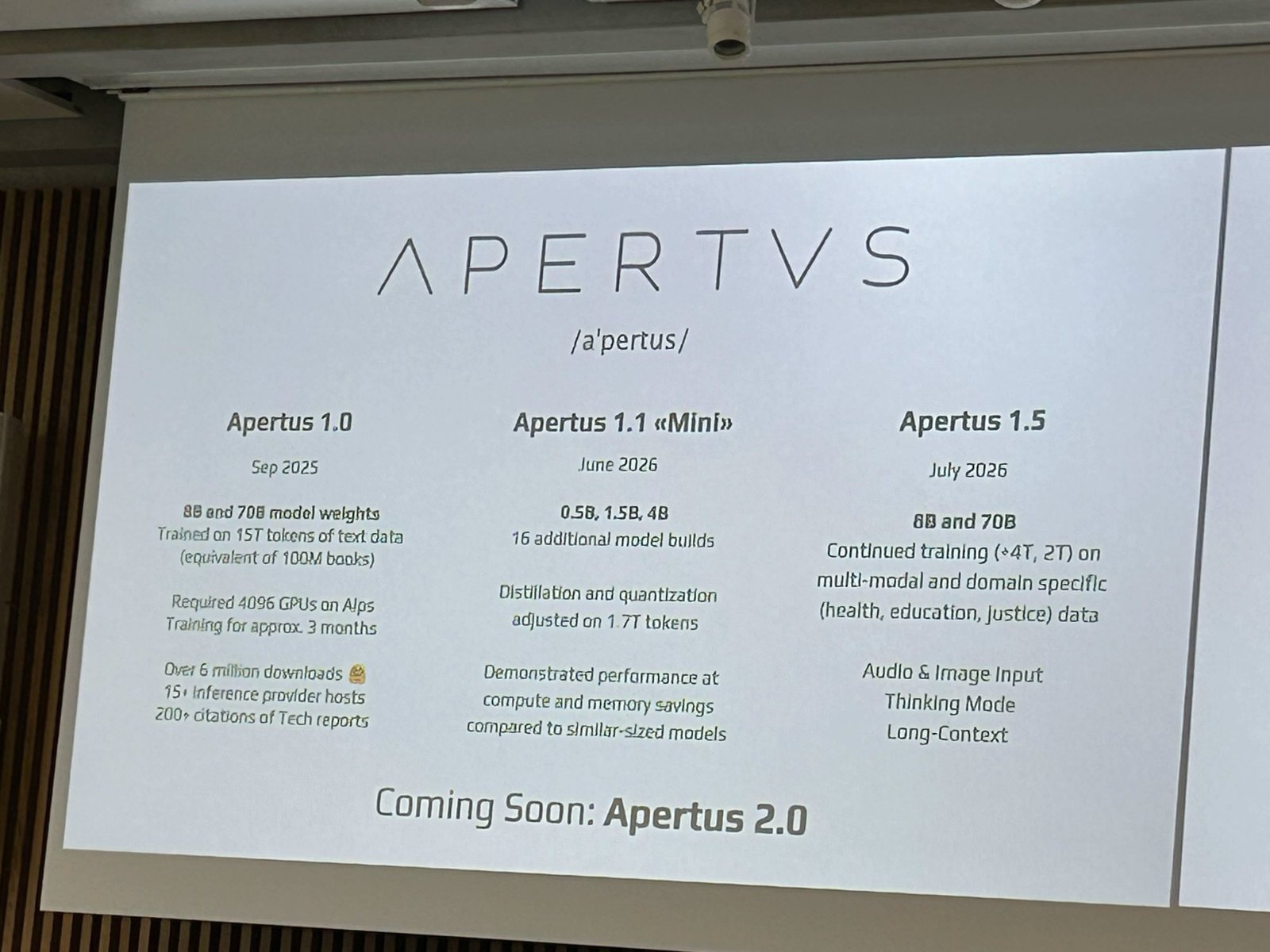
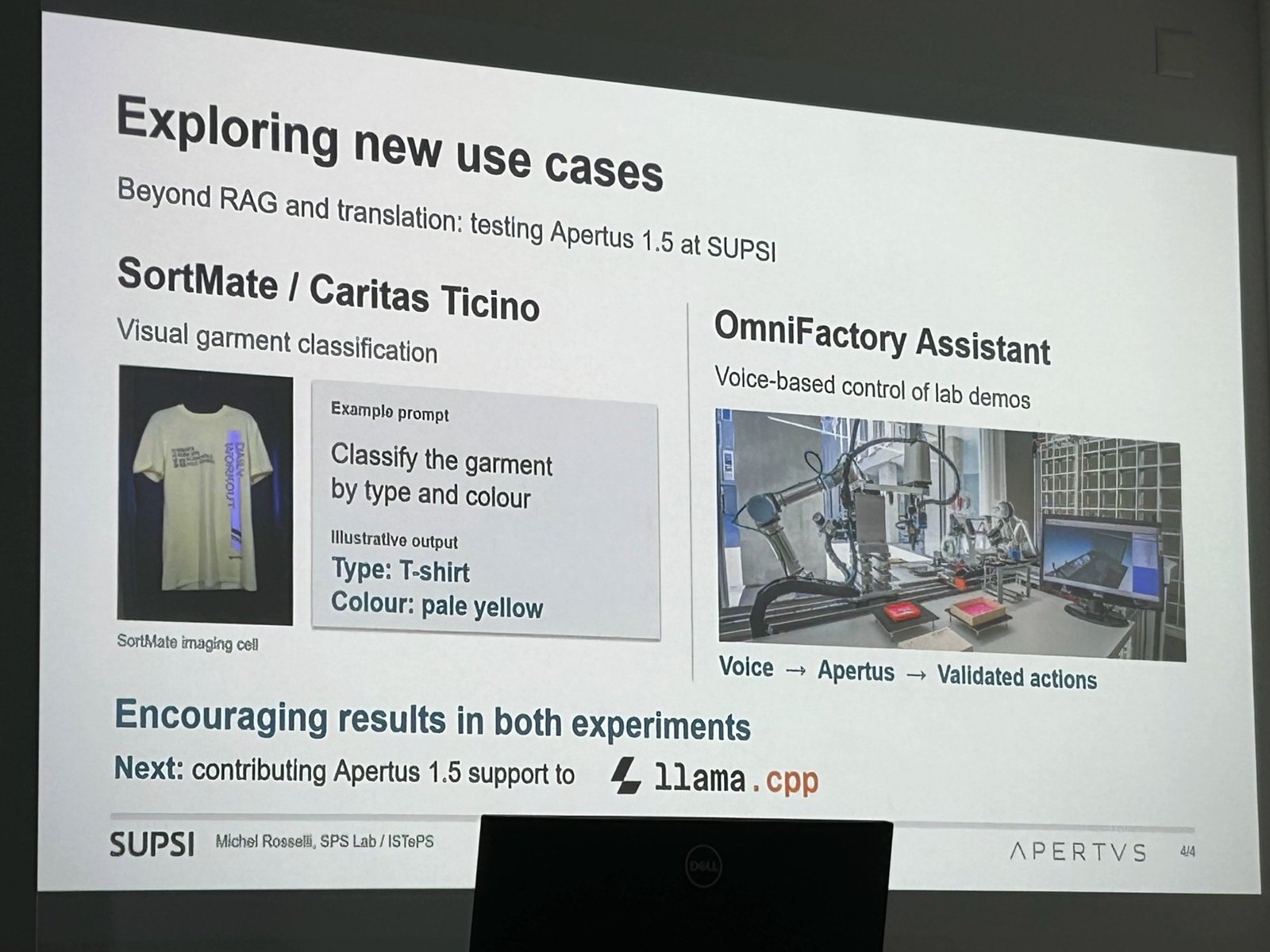
Alps trains Apertus, the open language model of the Swiss AI Initiative. Its weights, training data and guiding charter are public. Version 1.0 has over 6 million downloads. Version 1.5 also reads images and audio.
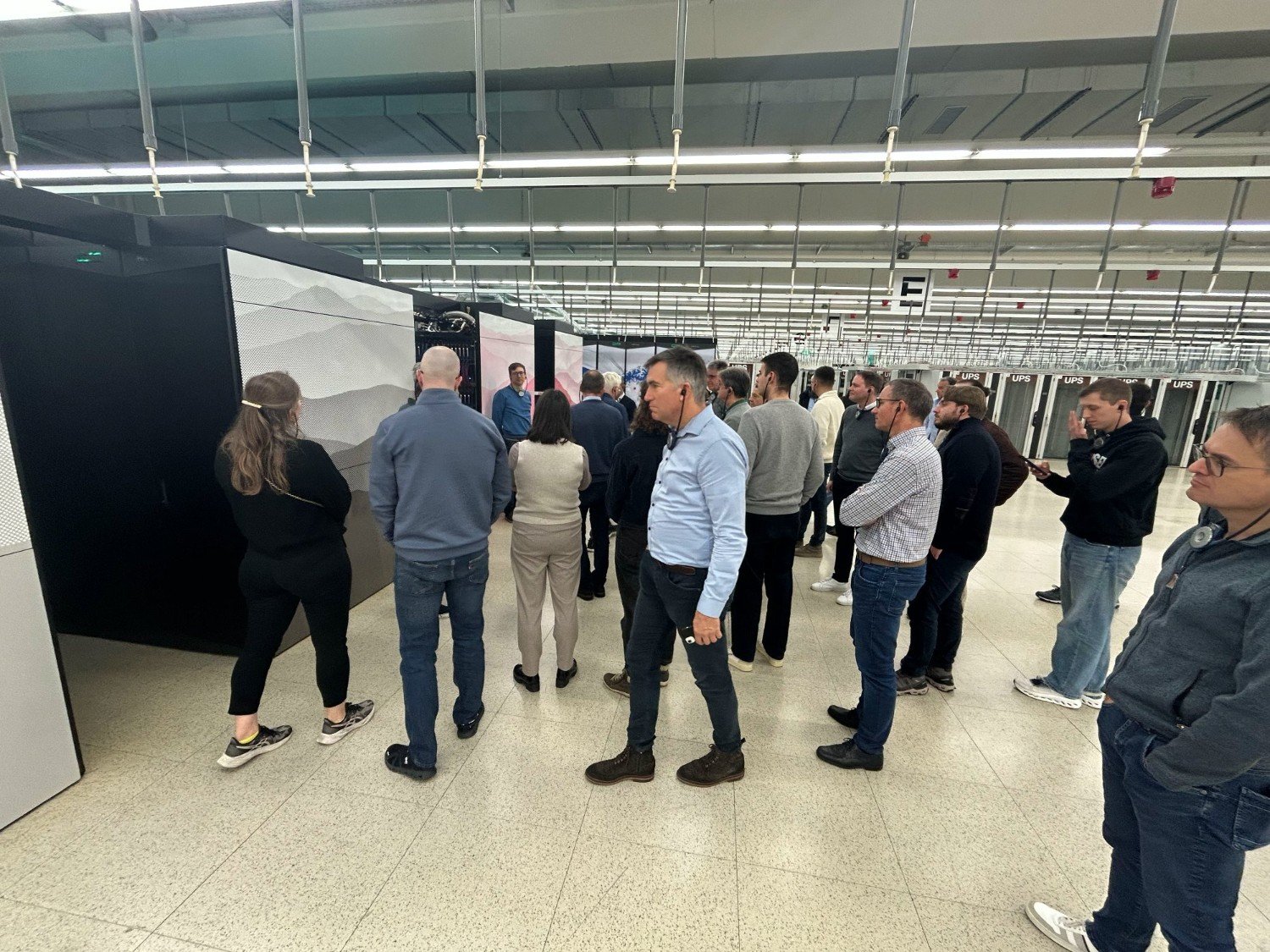
The visit was part of the Swiss AI SME Circle, an official pre-event of the Geneva AI Summit in June 2027. In the afternoon, SUPSI showed how it tests Apertus. One project sorts donated clothes for Caritas Ticino. Another uses voice commands to control machines in a lab factory.
The technology is ready, the start is not
Two days earlier, I spoke in Bolzano to more than 50 entrepreneurs. The new EU survey of 12,826 firms frames both events. Only 42% of SMEs use AI, and only 12% use it extensively. In Italy, it is 5%. The main barriers are costs, unclear rules and missing know-how. Staff resistance comes much later.
A panellist in Lugano put it simply. The biggest change lies in the mindset of the people who use AI. A complex project can now start as a quick experiment. But AI is no magic box. The team's experience stays part of the solution.
Talk first, then write it down
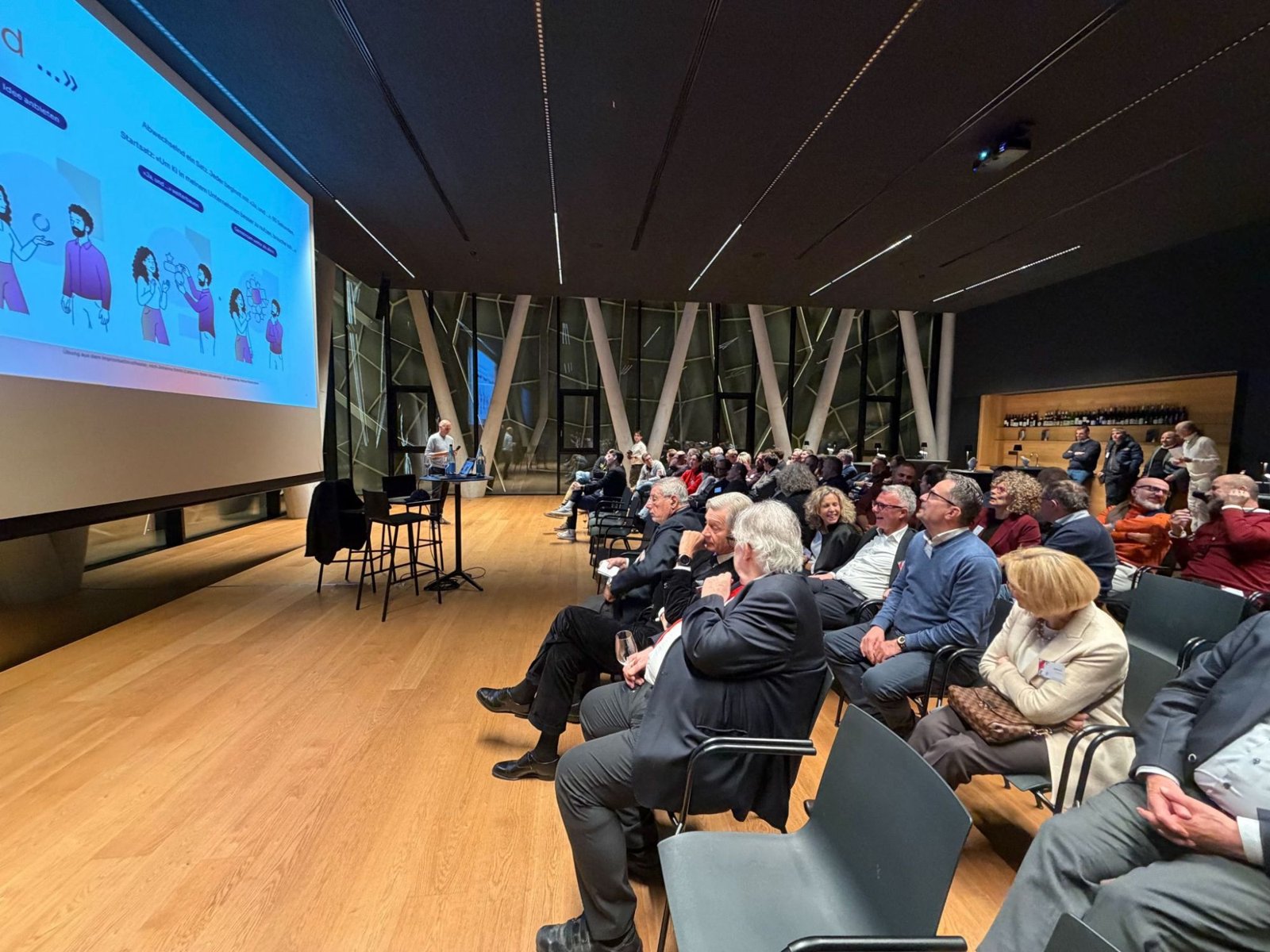
In Bolzano, I asked pairs of neighbours to complete one sentence for 90 seconds: «To use AI better in my company, I need …». Afterwards, the room kept talking. That conversation is the real starting point.
The next step is to write down what people say. A skill is a text file that describes one workflow, as you would for a new colleague. Four questions are enough to draft it. How does it work today? Where does it get stuck? How should it work? How do you recognise a good result?
Record the answers as a voice note and give the transcript to a model of your choice. An open model such as Apertus or Mistral can even run on your own servers. Your handbook stays yours, and you can change the model later.
The full analysis, with 100 findings from the EU survey, is in this week's Flow Factor.